Unix 哲学在 AI 时代的回响:Agent 设计哲学
TL;DR
本文核心观点:
- 小即是美 — 单一职责的Agent比”全能Agent”更具组合力和可维护性,限制单个Agent的能力反而让整体系统更强大
- 文本流演化为Intent流 — Unix的管道机制演化为Agent的Intent编排,结构化Intent是AI时代的”文本流”
- 组合优于继承 — 通过编排简单Agent构建复杂系统,而非训练超级模型;Unix的工具链思维是答案
- 透明性建立信任 — 可观测的Agent决策过程是建立人机信任的基础,透明性不仅是为了调试
Unix 哲学的核心原则回顾
1978 年,Bell Labs 的 Doug McIlroy 首次系统阐述了 Unix 哲学:
“This is the Unix philosophy: Write programs that do one thing and do it well. Write programs to work together. Write programs to handle text streams, because that is a universal interface.”
这三句话奠定了软件设计半个世纪的基石。
💡 Key Insight
Unix 哲学的核心不是”小工具”,而是开放的接口契约。正是”文本流作为通用接口”这一条规则,让所有工具可以自由组合,催生了半个世纪的软件生态。
Unix 哲学的核心原则
| 原则 | 含义 | 经典示例 |
|---|---|---|
| 小即是美 | 程序应该小而专注,而非大而全 | cat, grep, awk 每个都只做一件事 |
| 只做一件事 | 每个程序专注于单一职责 | ls 只列目录,sort 只排序 |
| 文本流接口 | 使用纯文本作为通用数据格式 | 管道 | 连接一切 |
| 组合优于继承 | 通过组合简单工具构建复杂功能 | ps aux | grep nginx | wc -l |
| 透明性 | 程序的行为应该是可理解和可预测的 | -v 详细模式,清晰的错误信息 |
| 沉默是金 | 没有消息就是好消息,减少噪音 | 成功时无输出,失败时报错 |
| 一切即文件 | 统一的抽象接口 | /dev, /proc, 套接字都是文件 |
Unix 管道的力量
Unix 最伟大的发明之一是管道(pipe)。它允许将多个简单程序连接成一个强大的处理链:
每个程序都是过滤器(filter):从标准输入读取,处理后写入标准输出。这种设计使得:
- 程序之间松耦合
- 可以任意组合
- 易于测试和调试
- 增量式构建复杂流程
💡 Key Insight
Unix 最伟大的发明不是管道本身,而是管道作为开放接口契约的设计。管道不关心上游是谁、不关心下游会如何处理,只规定”文本进来、文本出去”这一条规则。Intent 编排器应该采用同样的设计原则。
Unix 哲学在 AI 时代的适用性分析
为什么 Unix 哲学依然重要?
AI 时代面临的核心挑战与 50 年前惊人地相似:
💡 Key Insight
50 年前的 Unix 设计者面临的问题(如何让独立开发的工具协同工作)与今天 Agent 系统面临的问题完全相同。Intent 接口就是 AI 时代的”文本流”。
| 挑战 | Unix 时代的解法 | AI 时代的对应问题 |
|---|---|---|
| 系统复杂性 | 分解为小而专注的工具 | Agent 系统的模块化设计 |
| 互操作性 | 文本流作为通用接口 | Agent 之间的通信协议 |
| 可维护性 | 单一职责,清晰边界 | Agent 的职责划分 |
| 可扩展性 | 管道组合 | Agent 编排系统 |
| 可调试性 | 透明输出,逐步处理 | Agent 的可观测性 |
AI 系统的 Unix 式困境
当前 AI 系统开发中存在明显的反 Unix 模式:
💡 Key Insight
当前 AI 开发中的三大反模式(全能 Agent、私有格式、深度嵌套调用)都与 Unix 哲学背道而驰——它们都在试图用”更大的程序”解决复杂性问题,而不是用”组合”解决。
反模式 1:全能 Agent 问题:
- 难以测试(修改一处影响全局)
- 难以扩展(无法单独升级某部分)
- 难以调试(黑盒决策过程)
- 难以复用(与其他系统紧耦合)
反模式 2:私有数据格式 问题:
- Agent 之间使用 JSON Schema 或 Protobuf 等私有格式通信
- 不同团队的 Agent 无法互相调用
- 每次协议变更都需要协调多个团队
- 违背了 Unix”文本流作为通用接口”的精神
私有格式的危害在于锁死互操作性。当 Agent A 和 Agent B 使用私有 Intent 格式通信时,Agent C 无法接入这条管道,除非它也采用完全相同的 schema。这与 Unix 文本流的开放性形成鲜明对比——grep 能处理任何文本文件,因为文本是通用的。
解决方案是采用开放的、结构化的 Intent 标准(类似 JSON Intent),每个字段都有明确语义,不同团队的 Agent 可以互相调用,就像 cat file | grep pattern 不关心 file 的来源一样。Intent 的 schema 应该像 JSON-RPC 一样公开、版本化、社区驱动。
反模式 3:深度嵌套调用 问题:
- Agent A 调用 Agent B,Agent B 调用 Agent C,层层嵌套
- 一次请求跨越十几个调用节点
- 失败定位困难,延迟累积
- 违背了 Unix”透明性”原则
深度嵌套的调用链是可观测性的噩梦。当请求经过 A→B→C→D→E→F 六层传递时,一次失败意味着每一层都要负责传播错误,而最外层的错误信息往往已经面目全非。Unix 管道的优势在于:每个阶段都是平铺的,ps aux | grep nginx | wc -l 出问题时,你可以单独运行每一段,精确知道在哪一步断裂。
对于 Agent 系统,解决方案是保持调用链扁平化:使用编排器(Orchestrator)作为单一入口,由它负责路由 Intent 到不同的 Agent,而不是让 Agent 直接互相调用。这样故障点清晰,延迟可估算,整个系统的行为更容易推理。
Agent 设计哲学:Unix 原则的新体现
原则 1:小即是美 —— 单一职责 Agent
将 Unix 的”只做一件事”应用于 Agent 设计:
优势:
- 每个 Agent 可以独立开发、测试、部署
- 可以单独优化某个环节(如升级 Planner 不影响 Executor)
- 易于替换(比如把 ReAct Planner 换成 Tree-of-Thought Planner)
原则 2:文本流 → 结构化 Intent 流
Unix 使用纯文本作为通用接口,Agent 系统需要类似的通用接口:
这样设计的 Agent 可以像 Unix 管道一样组合:
结构化 Intent 的核心字段包括:action(操作类型,如 analyze、transform、query)、target(操作对象,如某个文件、API 端点或数据实体)、parameters(操作参数,以键值对形式传递)。一个典型的 Intent 看起来像:
{
  "action": "code_review",
  "target": "src/auth/login.go",
  "parameters": {
    "rules": ["no-sql-injection", "secure-cookie"],
    "severity_threshold": "high"
  }
}
这样的 Intent 通过编排器路由到专门的 Review Agent,输出仍然是结构化 Intent,供给下一个 Agent 消费。整个管道类似于 cat file | grep pattern | wc -l:每个 Agent 不知道前后是谁,只负责处理输入的 Intent 并产出新的 Intent。
关键在于 Intent 的 schema 必须稳定、版本化、向后来兼容——就像 Unix 文本流不会因为新增字段而破坏旧程序一样,结构化 Intent 的演进也应该是增量的,而不是破坏性的。
💡 Key Insight
Unix 的伟大之处不是”文本”本身,而是文本作为开放契约带来的可组合性。Intent 要在 AI 时代实现同样的价值,也必须是一个开放的、社区驱动的契约,而不是某个公司的私有格式。
原则 3:透明性 —— 可观测的 Agent
Unix 的 -v(verbose)模式让程序行为透明。Agent 同样需要:
- 决策日志:每个 Agent 应记录它收到了什么 Intent、做出了什么决策、调用了什么工具、产出了什么结果。这些日志应该按时间顺序排列,可以回放。
- 工具调用追踪:ReAct 循环的
Thought/Action/Observation三步曲本质上是一种透明性协议——让观察者理解 Agent 为什么在当前步骤选择这个动作。 - 中间结果暴露:每个管道的中间输出应对编排器可见,而不是被 Agent 内部消化。这样当
lint Agent → security scan Agent → reviewer Agent链条断裂时,可以精确知道是哪一环的问题。
原则 4:沉默是金 —— 减少噪音
Agent 的输出应该遵循 Unix 的”没有消息就是好消息”原则:
成功执行了常规任务的 Agent 不需要向用户汇报每一个步骤——除非有异常。冗余的确认信息会形成噪音污染,降低信号质量。Agent 应该只在以下情况出声:错误发生、决策需要人工介入、或用户明确要求详细日志。
组合的力量:从管道到 Agent 编排
Unix 管道的 Agent 等价物
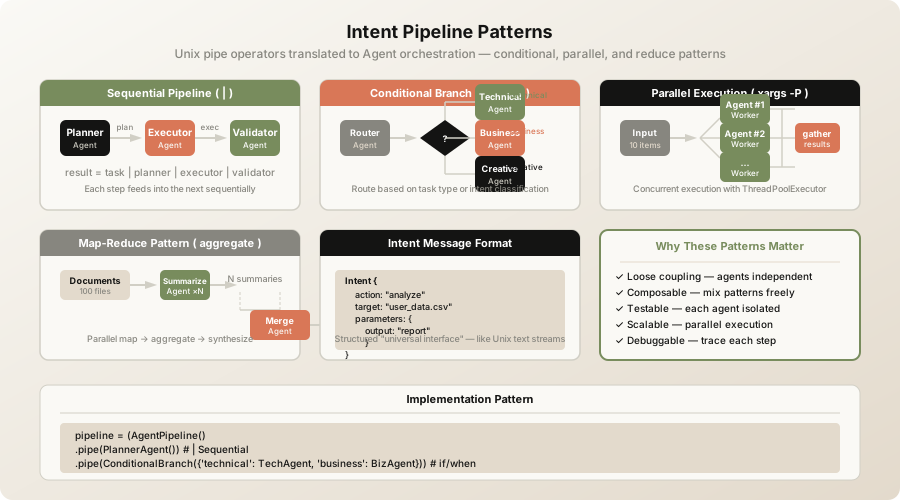
Unix 管道 | 的 Agent 等价物是编排器(Orchestrator):
编排器接收输入 Intent,根据其内容路由到不同的 Agent 进行处理,再将输出传递给下一个 Agent。与 Unix 管道不同的是,编排器可以包含条件逻辑——根据 Intent 的 action 或 target 字段决定路由路径,这与 shell 的 if/case 语句功能相同,但作用在 Intent 层面。
编排器本身应该是无状态的:它只负责路由,不负责维护会话上下文。每次路由决策基于当前 Intent 和已知的 Agent 注册表,不依赖上一次调用的结果。这使得编排器可以水平扩展,也使得整个系统的行为更容易预测。
复杂的 Agent 编排模式
模式 1:条件分支(类似 if)
Router Agent 接收用户输入,解析为 Intent 后根据 action 类型路由到不同的专业 Agent:
intent = parse_input(user_text)
if intent.action == "code_review":
    route_to(code_review_agent, intent)
elif intent.action == "security_scan":
    route_to(security_agent, intent)
elif intent.action == "performance_audit":
    route_to(perf_agent, intent)
这种模式的优势在于单一入口、多出口——用户不需要知道背后有多少个 Agent,Router Agent 负责根据语义分流。
模式 2:并行处理(类似 xargs -P)
当一个 Intent 的 target 是多个独立项时(如”审查这 100 个文件”),编排器可以将 Intent 扇出到多个并行的 Review Agent 实例:
输入: Intent(action=code_review, targets=[f1, f2, f3, ...f100])
                ↓ 扇出
[Review Agent 1] [Review Agent 2] ... [Review Agent N]
                ↓ 扇入(聚合)
汇总结果: {passed: 85, failed: 12, errors: 3}
xargs -P 的 Unix 哲学在这里同样适用:并行化可以线性提升吞吐量,而不需要为每个文件单独启动一次管道。
模式 3:Reduce 模式(聚合结果)
多个 Agent 产生中间结果后,需要一个 Merge Agent 将它们聚合成最终输出:
intermediate_results = [agent1.run(), agent2.run(), agent3.run()]
final_output = merge_agent.combine(intermediate_results)
这与 MapReduce 的 map → shuffle → reduce 模式完全对应:map 阶段由专业 Agent 并行处理,reduce 阶段由聚合 Agent 统一合并结果。
实战案例:代码审查 Agent 管道
完整的代码审查管道由四个 Agent 组成,每个 Agent 职责单一,通过 Intent 串联:
Lint Agent(第一关):接收代码文件 Intent,输出 {lint_passed: bool, issues: []}。只检查代码风格和基本语法错误,不涉及业务逻辑。
Security Scan Agent(第二关):接收 Lint 通过的代码 Intent,调用安全规则集(如 OWASP Top 10),输出 {vulnerabilities: [], severity: "high|medium|low"}。发现高危漏洞时立即返回错误状态码,中断管道。
Reviewer Agent(第三关):接收无高危漏洞的代码 Intent,结合代码语义和业务上下文给出审查意见,输出 {recommendations: [], approved: bool}。
Formatter Agent(第四关):接收 Reviewer 批准后的代码 Intent,按团队代码规范格式化,输出最终 {formatted_code: string}。
整个管道的关键设计:每个 Agent 的输出是下一个 Agent 的输入,而管道在任何一个 Agent 返回错误 Intent 时立即停止——这是 Unix “快速失败” 原则的体现。
文本接口到 Intent 接口的演进
Unix 的成功:文本作为通用语言
Unix 选择文本作为通用接口是一个天才决策:
- 人类可读:可以直接查看和编辑,任何人都能理解管道中流动的数据
- 语言无关:任何程序语言都可以生成和消费文本,不需要跨语言绑定
- 向前兼容:新增字段不会破坏旧程序,忽略未知字段是文本流的基本礼仪
- 工具丰富:grep, awk, sed, jq 等文本处理工具构成了一个强大的生态系统
这四个特性缺一不可。人类可读意味着调试不需要特殊工具;语言无关意味着可以用任何语言重写某个环节而不会破坏上下游;向前兼容意味着系统可以演进而不需要一次性全部升级;工具丰富意味着社区可以不断贡献新的”过滤器”来增强管道能力。结构化 Intent 要在 AI 时代复制这四个特性。
AI 时代的挑战
但文本在 AI 时代有局限性:
- 歧义性:自然语言有多种理解方式,同一句”审查这个文件”对不同 Agent 可能意味着完全不同的操作
- 非结构化:难以表达复杂的结构化意图,如”对这两个函数做比较”需要大量上下文才能被正确解析
- 效率低:每次传递都需要 LLM 解析和序列化,延迟高且成本昂贵
这些局限性并不意味着要放弃文本,而是需要在文本的基础上增加结构化层。Intent 接口就是这个结构化层——它保留了文本的可读性(在日志和调试输出中),同时为机器提供了可靠的类型化接口。
Intent 接口:结构化的”通用语言”
AI 时代需要的通用接口是结构化 Intent:
一个 Intent 的完整 schema 设计:
{
  "version": "1.0",
  "action": "code_review",
  "target": "src/auth/login.go",
  "parameters": {
    "rules": ["no-sql-injection", "secure-cookie"],
    "context": {
      "author": "alice",
      "pr_id": 1234
    }
  },
  "constraints": {
    "timeout_ms": 5000,
    "retry_count": 2
  },
  "expected_output": {
    "format": "structured",
    "fields": ["passed", "issues", "severity"]
  }
}
version 字段保证向前兼容——旧版本 Agent 可以忽略未知版本的新字段。action 是必需的,类似于 HTTP method;target 是操作对象;parameters 是自由格式的键值对;constraints 定义执行约束;expected_output 让下游 Agent 知道如何处理结果。
Intent schema 的设计原则:必选字段越少越好,可选字段越丰富越好。这样既保证了接口的稳定性(必选字段几乎不变),又保证了扩展性(新增能力通过可选字段添加)。
Intent 管道的实战
一个完整的 Intent 管道生命周期:
第一步:解析用户输入为 Intent。用户说”帮我审查这个 PR”,Router Agent 调用 LLM 将其解析为 {action: "code_review", target: "pr:1234", parameters: {}}。这是整个管道的入口,类似 cat file 将文件内容读入管道。
第二步:路由到专业 Agent。编排器根据 action 将 Intent 路由到 Code Review Agent。Review Agent 执行审查,输出一个新的 Intent {action: "review_complete", issues: [...], approved: false}。
第三步:条件分支。如果 approved: false,编排器将 Intent 发回给用户等待人工处理;如果 approved: true,继续发往 Formatter Agent。
第四步:格式化输出。Formatter Agent 接收审查通过的代码 Intent,输出格式化后的代码和最终报告。
整个过程中,Intent 是唯一的信息载体。每个 Agent 不知道上下游是谁,只与编排器交换 Intent。这正是 Unix 管道的设计哲学在 Agent 时代的复现。
Intent 与文本的融合
最好的设计是 Intent 和文本的融合:
Intent 用于机器之间的合约:两个 Agent 之间的接口应该用结构化 Intent——类型明确、字段清晰、版本已知。这样无论是谁实现的 Agent,只要遵循 Intent schema 就可以互相替换,就像 Unix 工具之间的文本流接口一样稳定。
文本用于人类消费的输出:面向终端用户的输出应该是人类可读的文本——审查报告、错误信息、执行摘要。文本的灵活性正好适合承载 Agent 的推理过程和结论,而不需要用户理解底层的 Intent 结构。
混合模式的例子:Code Review Agent 接收 Intent {action: "code_review", target: "file.go"},处理后输出 {intent: "review_complete", text_report: "发现 3 个问题:1. 第 23 行 SQL 注入风险..."}。其中 intent 字段供下游 Formatter Agent 消费,text_report 字段供人类阅读。
反直觉洞察
洞察 1:Agent 越小,系统越强大
反直觉:限制单个 Agent 的能力,反而让整体系统更强大。
Unix 已经证明了这一点:
grep只有 15 个主要选项,但可以和任何程序组合- 如果
grep内置了排序、统计功能,它反而会更弱
Agent 系统同样:
- 小 Agent 可以精细优化(专门优化代码审查的 Agent)
- 小 Agent 可以独立进化(升级 Planning Agent 不影响其他)
- 小 Agent 可以并行开发(不同团队负责不同 Agent)
💡 Key Insight
限制单个 Agent 的能力,反而让整体系统更强大。Unix 的
grep如果内置了排序功能,它就变成了一个更弱的工具;同样,一个试图包办一切的 Agent 在每个维度上都不如专门优化的专业 Agent。
洞察 2:显式优于隐式(Explicit > Implicit)
Unix 哲学强调显式:
cp不会覆盖文件除非你加-frm不会递归删除除非你加-r
Agent 系统同样需要显式:
- 显式的工具描述:Agent 调用工具时,应传递完整的参数名和类型,而不是依赖工具自己推断意图。隐式的参数传递就像
rm *而不知道会删掉什么。 - 显式的依赖声明:一个 Agent 依赖另一个 Agent 的输出时,应该在 Intent 中声明,而不是假设下游能猜到上游会返回什么。
- 显式的状态转换:Agent 从 “思考” 到 “执行” 到 “返回结果” 的每一步都应该是可观测的事件日志,而不是黑盒内部状态。
这种显式性在 Unix 中体现在命令行参数的设计上:cp -r source dest 中的每个 flag 都有明确含义,不会被默认行为覆盖。Agent 系统同样需要这种设计——默认安全、显式授权。
洞察 3:失败要快,失败要明显
Unix 程序遇到错误立即退出并返回非零状态码。
Agent 同样需要:
- 早期验证:在 Intent 进入管道时验证其有效性,拒绝非法格式而不是等到执行时才报错
- 立即返回非零状态码:当 Agent 遇到无法恢复的错误时,立即返回失败状态,不尝试”尽力而为”
- 级联中断:当一个 Agent 失败时,编排器立即停止管道,不继续发送到下游 Agent,避免产生更多垃圾数据
好处:
- 快速定位问题:失败立即可见,不需要等待管道末尾才知道有问题
- 避免级联失败:一个节点的失败不会传染到整个系统
- 用户可以立即采取补救措施:错误信息包含足够的上下文,用户知道问题在哪
洞察 4:工具链 > 超级模型
Unix 的哲学是构建工具链,而不是超级程序。
💡 Key Insight
Unix 的哲学是构建工具链,而不是超级程序。GPT-4 + 精心设计的工具链往往优于更大的单一模型——这条经验规律早在 50 年前的 Unix 设计中就已经被验证过了。
AI 领域的对应:
| 方法 | 描述 | 结果 |
|---|---|---|
| 超级模型 | 训练一个能做所有事的巨型模型 | 昂贵、僵化、难以维护 |
| 工具链 | 多个小模型/Agent 组合 | 灵活、可扩展、可替换 |
实践证明,GPT-4 + 精心设计的工具链 往往优于 更大的单一模型。
工具链与最佳实践
Unix 风格的 Agent 工具链
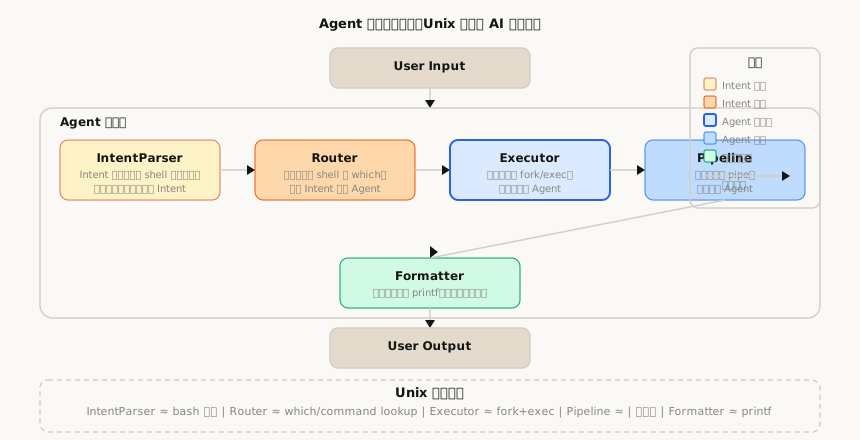
最佳实践清单
在设计 Unix 风格的 Agent 系统时,以下原则应该作为默认选择,而不是可选项:
1. 单一职责:每个 Agent 只处理一种类型的 Intent,比如专门做代码审查、专门做安全扫描、专门做格式化。不要让一个 Agent 试图同时处理多种任务——当一个 Agent 的 action 字段需要用 if/else 逻辑来区分不同任务时,这通常是该拆分成多个 Agent 的信号。
2. Intent 作为通用接口:所有 Agent 之间的通信必须通过结构化 Intent,不允许直接调用另一个 Agent 的内部方法或传递私有格式数据。Intent schema 一旦发布就不可破坏,必须通过版本升级来处理不兼容变更。
3. 无状态 Agent:每个 Agent 应该设计成无状态的——相同输入永远产生相同输出,不依赖上次调用的副作用。这使得 Agent 可以并行运行、轻易重试、随意替换实现而不影响上下游。
4. 可观测的决策:每个 Agent 必须输出完整的执行日志,包括收到的 Intent、产生的中间决策、返回的输出。这些日志是调试和审计的基础,也是建立人机信任的关键。
5. 快速失败:当遇到无法处理的 Intent 或执行超时时,Agent 应立即返回错误状态,不尝试部分完成或降级处理。编排器负责决定是否重试或绕过,而不是 Agent 自己。
设计原则
Unix 哲学的每一条原则都可以直接映射到 Agent 设计:
小即是美:Agent 的代码行数和功能范围都应该有边界。一个超过 500 行的 Agent 很可能承担了太多职责,需要拆分。小的 Agent 更容易测试、更容易理解、更容易替换。
只做一件事:当你在为一个 Agent 取名时,如果名字中出现了”和”字(如 “ReviewAndFormatAgent”),这通常意味着这个 Agent 需要被拆成两个。好的 Agent 名字应该是一个动词 + 名词:CodeReview、SecurityScan、IntentRouter。
组合优于继承:不要试图通过继承来扩展 Agent 能力(如 subclass ReviewAgent 并添加新方法)。组合通过编排器实现:新能力通过添加新 Agent + 修改编排器路由逻辑来实现,而不是修改现有 Agent 的类层次。
透明性:每个 Agent 的输出应该包含”为什么这样做”的解释。这不仅对调试有帮助,对建立用户信任也至关重要。当用户问”为什么这个代码没通过审查”时,Agent 应该能给出清晰的理由。
沉默是金:只有异常情况需要报告。成功的常规操作不需要日志输出,也不需要用户确认。这减少了噪音,让真正重要的问题更容易被发现。
接口设计
Intent 接口是 Agent 系统最重要的契约。它的设计决定了整个系统的灵活性和可维护性:
必选字段:version(接口版本)、action(操作类型)、target(操作对象)。这三个字段必须存在,任何 Agent 收到缺少这三个字段的 Intent 都可以立即拒绝。
可选字段:parameters(操作参数)、constraints(执行约束,如超时、重试次数)、expected_output(期望的输出格式)、context(调用上下文,如发起者 ID、会话 ID)。
版本管理:每个 Intent schema 应该有语义化版本号(SemVer)。主版本号变更表示不兼容的修改;次版本号变更表示向后兼容的新字段添加;修订号变更表示向后兼容的 bug 修复。Agent 应该能够处理比自己已知版本更高的 Intent(忽略未知字段),但不应该处理比自己已知版本低的 Intent(可能包含已废弃的字段)。
错误码规范:每个 Agent 应该返回标准化的错误码:INVALID_INTENT(Intent 格式错误)、UNSUPPORTED_ACTION(Agent 不支持该 action)、EXECUTION_TIMEOUT(执行超时)、PARTIAL_FAILURE(部分完成但有问题)。错误信息应该包含足够的上下文用于调试。
测试策略
Unix 工具的测试哲学是”独立、可组合、可观测”,这同样适用于 Agent 系统:
单元测试:每个 Agent 在隔离环境中测试,使用 mock Intent 作为输入。测试用例应覆盖:正常路径(valid Intent → expected output)、边界条件(空参数、超大参数、特殊字符)、错误路径(无效 Intent → error Intent)。每个 Agent 的测试应该是完全自包含的,不依赖外部系统。
集成测试:测试多个 Agent 串联成管道的行为。使用真实的 Agent 实例(或轻量 mock),验证 Intent 是否正确流转、错误是否正确传播、并行执行是否产生正确结果。集成测试的关键是验证 Agent 之间的接口兼容性,而不是单个 Agent 的内部逻辑。
端到端测试:从用户输入开始,验证整个 Intent 管道产生正确的最终输出。端到端测试应该覆盖主要的用户场景(如”提交代码 → 获得审查报告”),使用真实的 Agent 组合而非 mock。端到端测试的成本最高、运行最慢,但也是最接近真实使用场景的验证。
属性测试:对于 Intent schema,可以编写属性测试(property-based testing)来验证:必选字段存在时 Intent 被接受、缺少必选字段时 Intent 被拒绝、未知字段被正确忽略、版本兼容的 Intent 都能被处理。
结尾:古老智慧的现代回响
Unix 哲学诞生于 50 年前,但它的核心思想——小即是美、组合优于继承、透明性、显式优于隐式——在 AI 时代展现出惊人的前瞻性。
当我们在设计 Agent 系统时,Unix 之父们的智慧依然指引着我们:
“Do one thing and do it well.”
一个专注于单一职责的 Agent,胜过十个试图包办一切的”超级 Agent”。
“Write programs to work together.”
通过组合简单的 Agent,我们可以构建出比任何单一 Agent 都更强大的系统。
“Write programs to handle text streams, because that is a universal interface.”
在 AI 时代,文本流演化为Intent 流——结构化的、可组合的、通用的接口。
核心启示
| Unix 时代 | AI 时代 |
|---|---|
| 小程序,专注一件事 | 小 Agent,单一职责 |
文本管道 \| | Intent 管道编排 |
-v 详细模式 | 可观测的决策过程 |
| 非零退出码 | 快速失败,清晰错误 |
| 工具链组合 | Agent 组合系统 |
最后的话:
技术会过时,但优秀的软件设计原则是永恒的。Unix 哲学不是博物馆里的古董,而是 AI 时代架构设计的活指南。
当我们构建 Agent 系统时,不妨问问自己:
- 这个 Agent 是否”只做一件事”?
- 它能否与其他 Agent 无缝组合?
- 它的决策过程是否透明?
- 失败时是否快速且明显?
如果答案都是”是”,恭喜你,你正在继承 Unix 的遗产。
📚 延伸阅读
本系列文章
Unix 哲学经典
- The Unix Programming Environment — Kernighan & Pike
- The Art of Unix Programming — Eric S. Raymond
- Unix Philosophy — Mike Gancarz
Agent 设计参考
深度阅读时间:约 24 分钟
Published on 2026-03-15 阅读时间:约 18 分钟
下一篇预告:#51 AI-Native 架构模式:从单体到 Agent 网格
💬 评论
💡 使用 GitHub 账号登录 即可参与讨论